Image-Based Sexual Abuse (IBSA)
IBSA is a form of abuse involving the non-consensual use of intimate images. Here you'll find clear information, support, and safe next steps.
What is IBSA?
Image-Based Sexual Abuse (IBSA) is a form of abuse involving the non-consensual creation, sharing, or threat of sharing intimate images or videos.
It does not matter how the material was originally obtained.
Even if an image was shared consensually, sharing it further without permission is abuse.
IBSA violates consent, privacy, and personal autonomy — and it can affect anyone.
If this is happening to you, you are not alone, and it's not your fault.
Prevalence
Young people & LGBTQ+ are the most affected by IBSA
Impact
IBSA can cause lasting emotional, social, and economic harm
Victim-blaming is common
Victims are often blamed — but abuse is never their fault
Underreporting
Many cases go unreported due to shame, stigma, and lack of support
Check if your intimate images are online
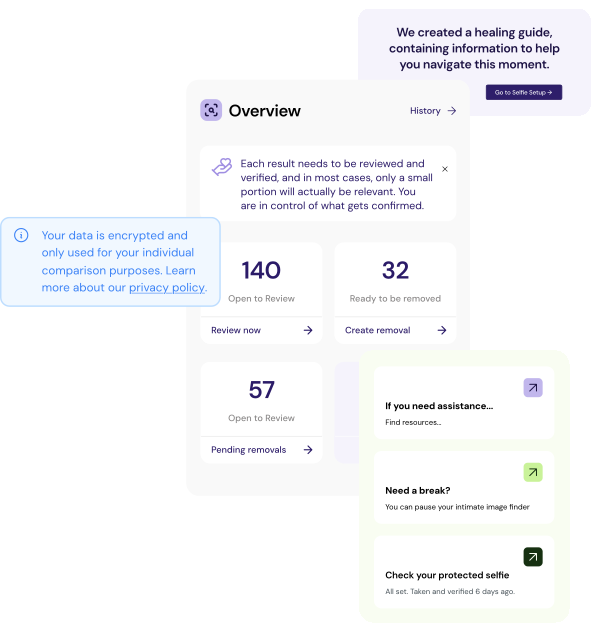
We're building a secure and private tool that helps you check if intimate images of you are online, so you don't have to search the internet yourself.
Learn moreAbout Image-Based Sexual Abuse
Explore the main topics on this page — and access additional support if needed.
Forms of IBSA
Different ways images can be misused or shared without consent
How common is IBSA
The prevalence of IBSA — and who it affects most
Impact on survivors
The real impact of IBSA — and why survivors are often blamed unfairly
Consent & safe sharing
Why sharing intimate images never removes your rights
What IBSA can look like
Image-Based Sexual Abuse can take different forms.
Some are easy to recognize, others are more subtle — but all involve the non-consensual use of intimate images or sexual content.
Non-consensual sharing of intimate images
+−
The sharing or distribution of intimate images or videos without a person's consent.
This form of abuse is sometimes referred to as "revenge porn," but the term is misleading. It suggests the harm is limited to personal relationships, when in reality images can also be shared by others or obtained through hacking, unauthorized access, or stolen devices.
Deepfakes
+−
AI-generated or digitally manipulated images or videos that place a person's likeness into sexual content without their consent. Deepfakes are becoming increasingly realistic and accessible.
Sextortion
+−
The use of intimate images — real or fabricated — to threaten, blackmail, or coerce someone, often for money, more images, or control.
Threats to share
+−
Using the threat of sharing intimate images as a tool of control, intimidation, or coercion — even if the images are never actually distributed.
Cyberflashing
+−
Sending unsolicited sexual images to someone without their consent, typically through messaging apps, AirDrop, or social media.
Secret recording / Upskirting
+−
Taking intimate photos or videos of someone without their knowledge or consent, including hidden cameras, upskirting, or recording during private moments.
How common is IBSA?
Image-Based Sexual Abuse is more common than many people realize.
A large international study conducted in 2024–2025 across 10 countries and 16,000 adults shows how widespread IBSA is.
Many cases remain unreported, meaning IBSA is often experienced in silence.
1 in 5
people have experienced Image-Based Sexual Abuse.
1 in 3
survivors never told anyone about it.
Young people & LGBTQ+
are more frequently affected by Image-Based Sexual Abuse.
Source: Prevalence and Impacts of Image-Based Sexual Abuse Victimization, 2025.
Impact on survivors
Image-Based Sexual Abuse doesn't stay online. Its impact can carry into everyday life — affecting emotional well-being, relationships, and a sense of safety and control.
The impact is real and serious. But support, understanding, and appropriate responses can make a meaningful difference.
Emotional impact
Many survivors experience intense emotional distress, including anxiety, shame, fear, and a lasting loss of control over their own image. These effects can persist over time, impacting dignity, autonomy, and trust — even after the images stop circulating.
Social impact
Survivors may withdraw from social spaces, experience judgment or stigma, or face difficulties at work or in education. In some cases, this can lead to damaged relationships, academic setbacks, or loss of employment — reinforcing isolation and insecurity in daily life.

Why victim-blaming happens
Victim-blaming is a common reaction to Image-Based Sexual Abuse — and one of the reasons many survivors feel misunderstood, silenced, or unsupported.
People may focus on what the victim did — such as sharing an image, trusting someone, or initiating an online relationship — instead of focusing on the violation of consent that defines IBSA.
Studies show that victim-blaming is more likely when relationships were short-term, existed only online, or when the person affected initially consented to creating the image.
Many people wrongly assume that if someone consented to creating an intimate image, they also consented to it being shared or distributed. Consent is specific, ongoing, and can be withdrawn at any time.
Deeply ingrained cultural norms and gender-based expectations often reinforce the idea that certain behaviors make someone "deserve" what happens to them — especially around sexuality and intimacy.
People often need to believe the world is fair and predictable. Blaming the victim helps maintain the illusion that "this couldn't happen to me" — but it silences those who need support most.
Let's talk about consent
Sharing intimate images can be consensual.
Understanding consent helps protect boundaries and make sharing safer.
A clear and willing "yes"
Consent means a clear "yes." — it should never be assumed, pressured, or implied. If someone hesitates or feels unsure, consent is not present.
Freely given and ongoing
Consent must be freely given and can be withdrawn at any time. This applies before sharing, while sharing, and afterward — even if trust or relationships change.
Sharing does not remove rights
Agreeing to share an intimate image never means giving up control or rights. Consent to share once does not mean consent to save, forward, post, or keep it.
How to protect yourself online
When consent is there, safety still matters.
These tips won't prevent abuse — but they can help reduce risks and give you more control.
Be mindful of who you're sharing with
Not everyone online is who they claim to be — be cautious if someone:
- Pushes quickly from public spaces to private chats
- Asks for intimate images early on
- Refuses video calls or avoids verifying their identity
- Uses fake profiles, stolen photos, or AI-generated images (catfishing)
When taking intimate pictures
If you choose to share images, try to avoid being identifiable:
- Avoid showing your face or distinctive features — they make images easier to trace
- Check that no personal details appear in the background, such as posters, furniture, or other recognizable objects
- Use low lighting, filters, or subtle color changes to reduce traceability
- Add a discreet watermark (e.g. the recipient's name or username) to discourage resharing
Protect your devices and accounts
Some abuse doesn't start with images — it starts with access:
- Use strong, unique passwords and enable multi-factor authentication
- Keep devices, apps, and browsers up to date
- Be cautious with links, attachments, and unfamiliar websites
- Cover webcams and avoid public Wi-Fi for sensitive actions
If you store intimate images
Small settings can make a real difference:
- Turn off location sharing and geo-tagging
- Remove metadata (for example, by sharing screenshots instead of original files)
- Store images in secure, private folders or apps
Join now and take control
You shouldn't have to search the internet yourself or accidentally discover harmful content.
As a Digital Dignity member, you get access to:
Intimate Image Finder & Removal tool — with ongoing scans and private alerts
Clear removal guidance
Experts support
Survivor-first community