
Topic
Deepfakes and intimate image abuse
Intimate deepfakes use AI to put your likeness into sexual content you never created. Here you'll find clear information, support, and safe next steps.
What is an intimate deepfake?
An intimate deepfake is an AI-generated or digitally manipulated image or video that places a person's likeness into sexual or nude content they never created and never consented to.
The technology has become fast, realistic, and widely accessible. A single publicly available photo — from social media, a profile picture, or a group photo — can be enough.
It does not matter that the image is synthetic. The exposure, fear, and harm are real.
If this is happening to you, you are not alone, and it is not your fault.
Realistic
Modern deepfakes can look convincingly real, even to people who know you.
Fast
They can be created in seconds, with no technical skill required.
Accessible
A single public photo can be enough to generate abusive content.
Harmful
The image may be fake, but the fear, shame, and damage are not.
Check if intimate images of you are online
You shouldn't have to search the internet yourself. The Intimate Image Finder is a secure, private way to check whether intimate images or deepfakes of you are being shared without your consent.
Learn moreAbout deepfakes and image abuse
Explore the main topics on this page — and access additional support whenever you need it.
What is a deepfake
How AI-generated intimate images work — and why one photo can be enough
Where it's happening
The real-world pattern — in schools, families, and private life
The harm is real
The image may be fake, but the fear, shame, and damage are not
Consent & control
How AI can help — but only when built around consent and privacy
How intimate deepfakes are created
You don't need to understand the technology to protect yourself.
But understanding the pattern helps explain how quickly this kind of abuse can happen — and why it can affect anyone.
A photo is enough
Any publicly available image — a profile picture, a group photo, a post — can be used as the starting point. No private or leaked content is needed.
Created in seconds
AI tools can generate realistic fake content almost instantly. Technical expertise is no longer required to make an image look convincingly real.
Shared anonymously
The result can be spread anonymously across platforms and chats — often faster than it can be traced, reported, or removed.
Where it's already happening
Image-based sexual abuse using deepfakes is not a distant, hypothetical problem. It is already happening — widely, and moving fast — in ordinary places.
Schools & peer groups
Young people manipulate images of other young people and share them faster than anyone can react.
Children & families
Families are pressured and blackmailed with AI-generated abuse material of their children.
Adults in private life
People are targeted by ex-partners, acquaintances, or strangers — disproportionately women.
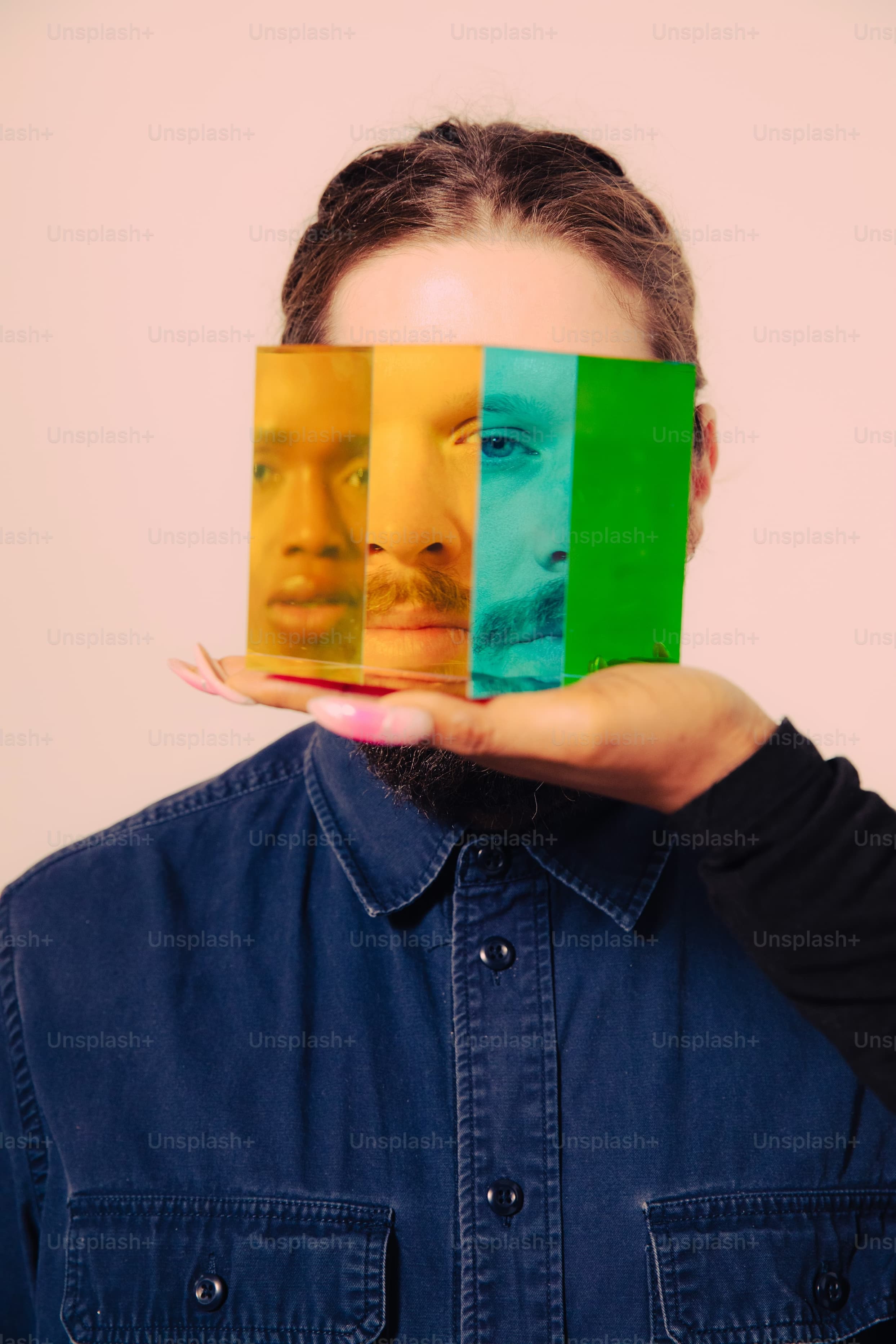
The image is fake. The harm is real.
When intimate deepfakes are dismissed as "just AI," the harm to real people gets minimized. Consent is the boundary — and it quietly fades when abuse is treated as something fake.
Fear, shame, blackmail, family pressure, isolation — none of it is synthetic.
Emotional impact
Anxiety, shame, fear, and a lasting loss of control over your own image — effects that can persist long after any content stops circulating.
Social impact
Withdrawal from social spaces, judgment or stigma, and difficulties at work or in education — reinforcing isolation and insecurity.
One path into abuse, not the only one
Deepfakes are one route into image-based sexual abuse. They are not the only one.
What these different forms share is a loss of control over your intimate images, your identity, and your consent.
AI-generated intimate deepfakes
Intimate images shared by an ex-partner
Content leaked after hacks or stolen devices
Secretly taken or recorded images
Grooming or coercion
Re-uploads after a takedown
You shouldn't have to search alone
Today, the burden falls on the person harmed. Finding and removing this content is a completely manual process — every step done by the survivor themselves.
Search
Document
Report
Explain
Wait
Repeat — and again, alone. It shouldn't work this way.
How Digital Dignity helps
Five simple steps to activate your protection — so you don't have to search, document, and chase takedowns on your own.
Sign up once to activate your private monitoring. It's safe, private, and encrypted by design — never shared.
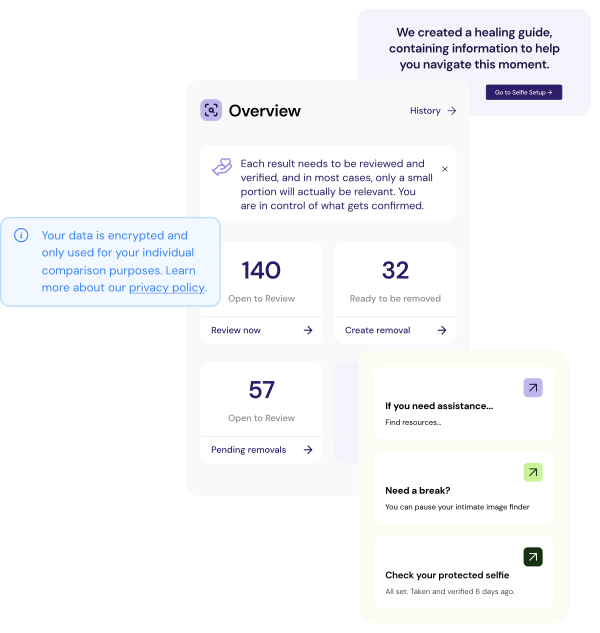
Securely upload a single reference photo. Your image is encrypted and stored in an isolated database. It is never shared or exposed.
Our system continuously scans high-risk sites using advanced face-recognition AI to check for matches against your reference photo.
If a match is found, you receive a private alert and confirm whether the detected face is really you — so we only ever act on content that truly belongs to you.
Open a removal case with a single tap and our system takes over. We capture the evidence, send the lawful takedown notices, and keep the pressure on until the content is gone — without you having to send a single message yourself.
Built on consent, privacy, and control
AI can help — but only if it is built around the people it is meant to protect. These principles guide everything we do.
Consent first
The person's choice comes before the system. Nothing happens without it.
Privacy by design
Reference photos are encrypted and originals are deleted. Your data is never shared or exposed.
Human review before action
No automated takedown happens without a person. You confirm every match before we act.
Control at every step
Pause, delete, or walk away at any time. You stay in control from start to finish.
Take back control
You shouldn't have to search the internet yourself or accidentally discover harmful content about you.
As a Digital Dignity member, you get access to:
Intimate Image Finder — ongoing scans and private alerts
Removals handled on your behalf
Clear guidance and expert support
A survivor-first community of care
Frequently asked questions
Clear answers to the questions people most often ask about deepfakes and intimate image abuse.
A deepfake is an image, video, or audio clip that has been generated or altered using artificial intelligence to show a real person saying or doing something they never did. Intimate or sexual deepfakes place someone's likeness into nude or sexual content without their consent.
It is AI-generated or digitally manipulated content that puts a person's face or body into sexual imagery they never created or agreed to. Because the source is often a single public photo, it can happen to anyone.
Laws differ by country and are changing quickly, but a growing number of jurisdictions treat non-consensual intimate deepfakes as a form of image-based sexual abuse. Regardless of the law where you live, creating or sharing this content without consent is a serious violation. Local support services or legal advisors can help you understand your options.
Modern deepfakes can be very convincing, and detection is not always reliable. What matters is not whether an image looks real, but whether it was made or shared without consent. You do not need to prove how it was created to ask for it to be removed or to seek support.
Take a breath — you do not have to fix everything at once. Where it feels safe, save evidence such as links and screenshots before reporting, avoid engaging with anyone threatening you, and reach out for support. Our Digital First Aid guide walks you through calm, practical next steps.
You can report the content to the platform hosting it and send a removal request. Digital Dignity can also help: once a match is verified, we capture the evidence, send lawful takedown notices, and keep the pressure on until the content is gone — so you don't have to send a single message yourself.
We built the Intimate Image Finder to scan high-risk sites for your likeness, alert you privately when there is a match, and handle removals on your behalf. Everything is built on consent, privacy, and your control at every step.

Support our mission for a digital world where every identity is safe, respected, and free from abuse.
Donate to our projectJoin our newsletter
Practical tips, news from our work, and stories of change from our community. A few emails a month, no spam.